
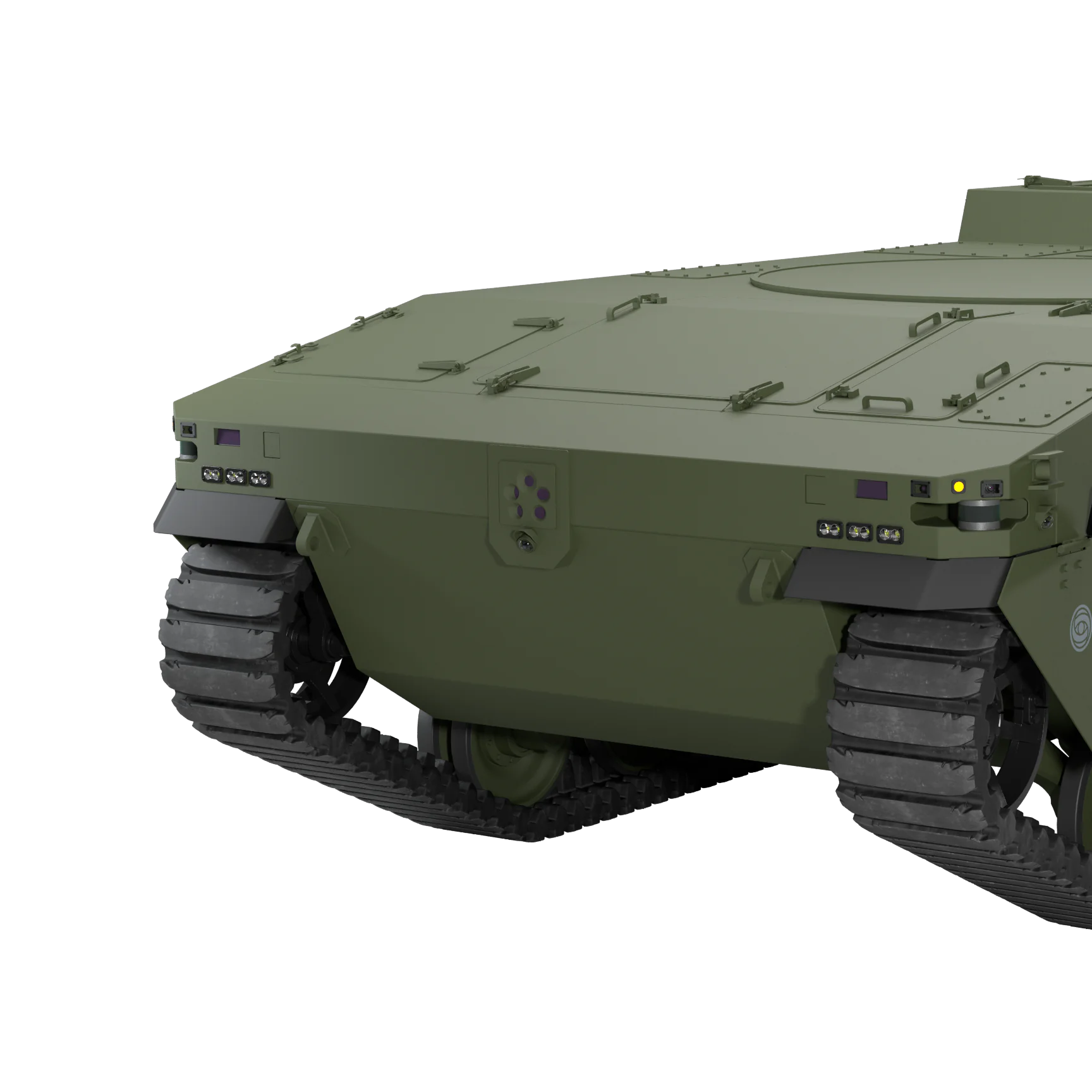
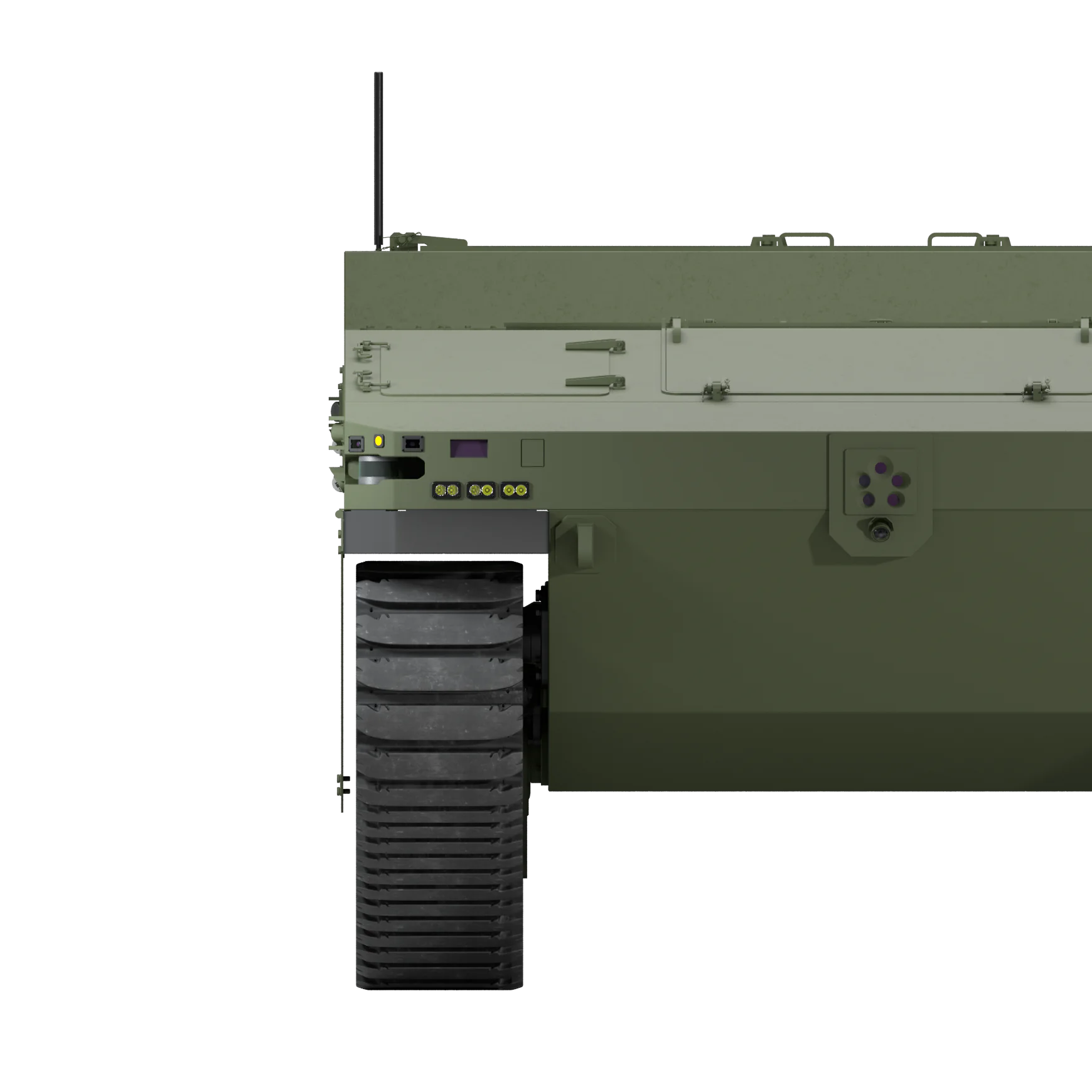
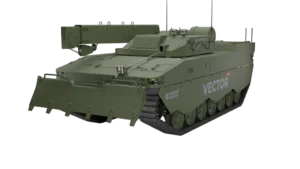
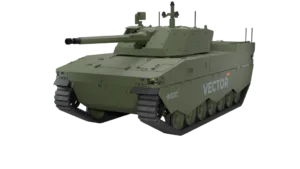

VECTOR RCV
Product descripton: VECTOR RCV by Milrem Robotics
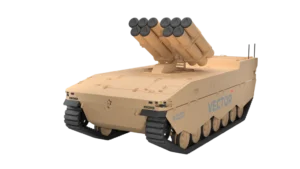
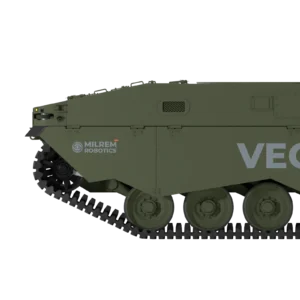
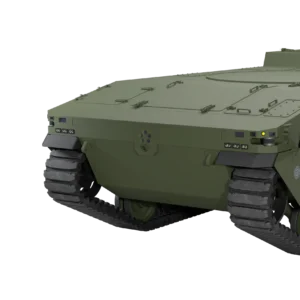
VECTOR RCV is a robotic combat vehicle developed to support modern mechanized warfare by operating as an autonomous or remotely controlled battlefield platform. It is designed to function alongside infantry fighting vehicles and main battle tanks, acting as a force multiplier that extends combat reach and situational awareness.
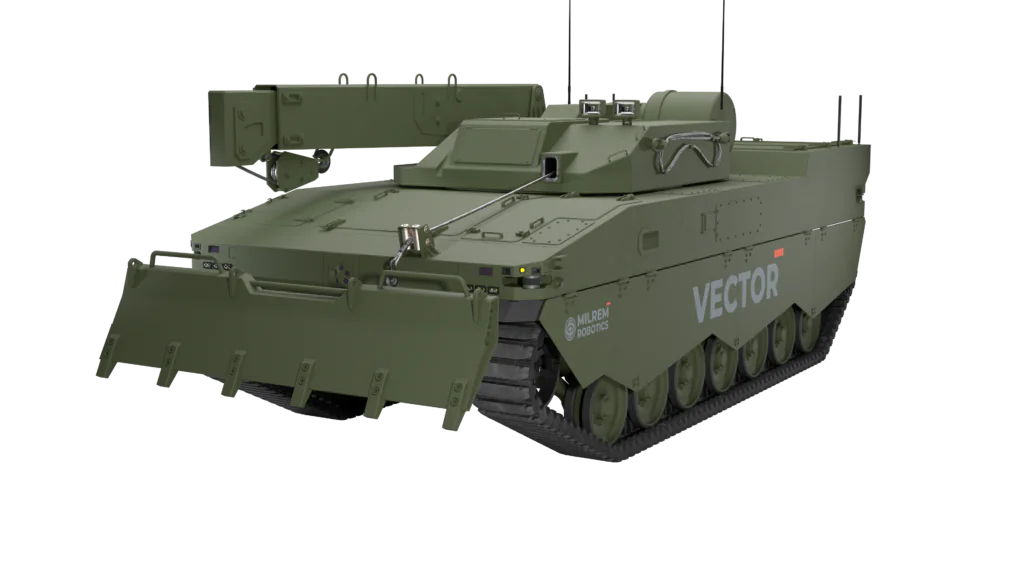
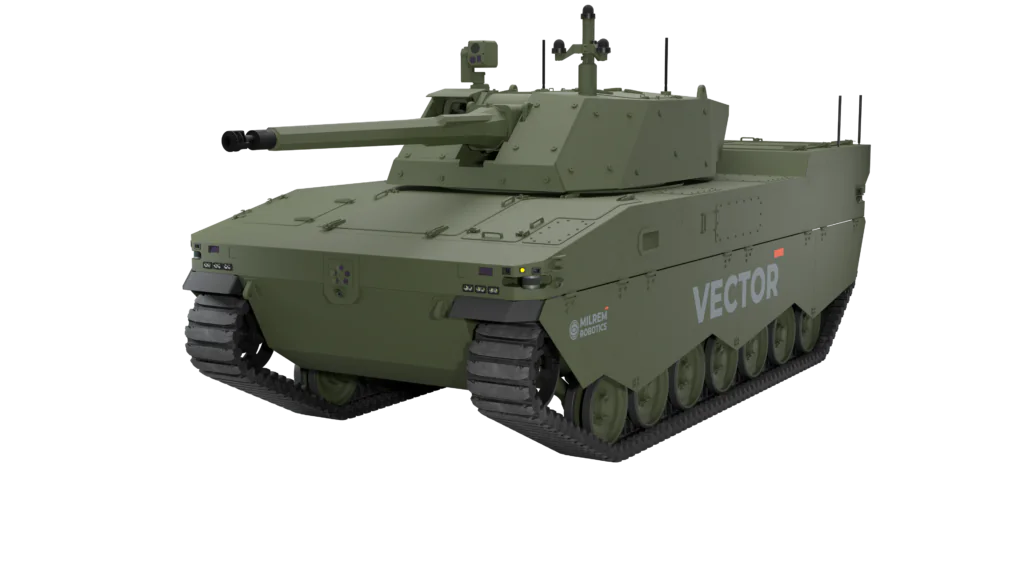
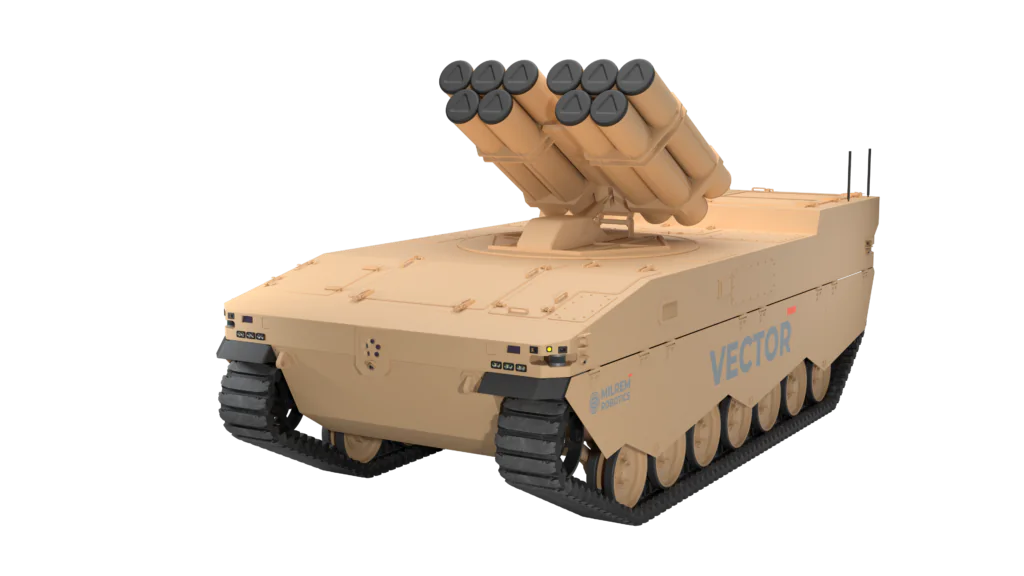
The platform integrates autonomous functions and modular payload architecture, enabling rapid adaptation to mission requirements ranging from direct fire support to reconnaissance and engineering roles. Its design prioritizes survivability, operational flexibility, and sustained battlefield performance with reduced logistical burden.
VECTOR RCV enhances mission effectiveness by increasing standoff distance, reducing troop exposure, and delivering scalable combat capability in dynamic operational environments.
Key Features
- Robotic Combat Vehicle (RCV) platform for mechanized unit support
- Autonomous and remotely operated battlefield functions
- Modular payload architecture up to 3-ton capacity
- Designed as a “wingman” for IFVs and main battle tanks
- Multi-role capability: combat, reconnaissance, engineering support
- High mobility across complex terrain
- Reduced troop exposure and increased survivability
- Compatible with multiple heavy weapon and mission systems
- Designed for rapid upgrades and low maintenance
- Integrated communication and battlefield coordination systems
Technical specifications
Mission Roles
Combat Support & Firepower
Provides direct fire support and flanking engagement capabilities, complementing armored formations with extended tactical reach.
Reconnaissance & Situational Awareness
Enhances battlefield intelligence through integrated systems and real-time operational data sharing.
Engineering & Recovery Operations
Supports battlefield recovery, obstacle clearance, and engineering tasks under combat conditions.
Force Protection & Maneuver Support
Increases operational safety by extending engagement distance and reducing exposure of manned units.
Operational Advantages
- Equal firepower capability compared to IFVs in supported configurations
- High adaptability across multiple mission types
- Designed for flanking and short-range engagement roles
- Reduced personnel risk in high-threat environments
- Stable mobility across diverse terrain conditions
- Modular system enabling rapid configuration changes
Technical Specifications
| Parameter | VECTOR RCV |
|---|---|
| Platform Type | Robotic Combat Vehicle (RCV) |
| Mission Type | Combat Support / Reconnaissance / Engineering |
| Dimensions | 6.5 × 2.9 × 2.5 m |
| Weight (No Payload) | 14.5 t |
| Maximum Payload | 3 t |
| Maximum Road Speed | 80 km/h |
| Maximum Off-Road Speed | 50 km/h |
| Propulsion | Hybrid Electric Drive |
| Transmission | Cross-drive |
| Maximum Grade | 60% |
| Ground Clearance | 0.5 m |
| Fording Depth | 1 m |
| Turning Radius | 0 m |
| Protection (Kinetic) | STANAG 4569 L3 (dependent on payload) |
| Protection (Artillery) | STANAG 4569 L3 (dependent on payload) |
| Mine Protection | STANAG 4569 L1 |
| Control Type | Autonomous / Remote operation |
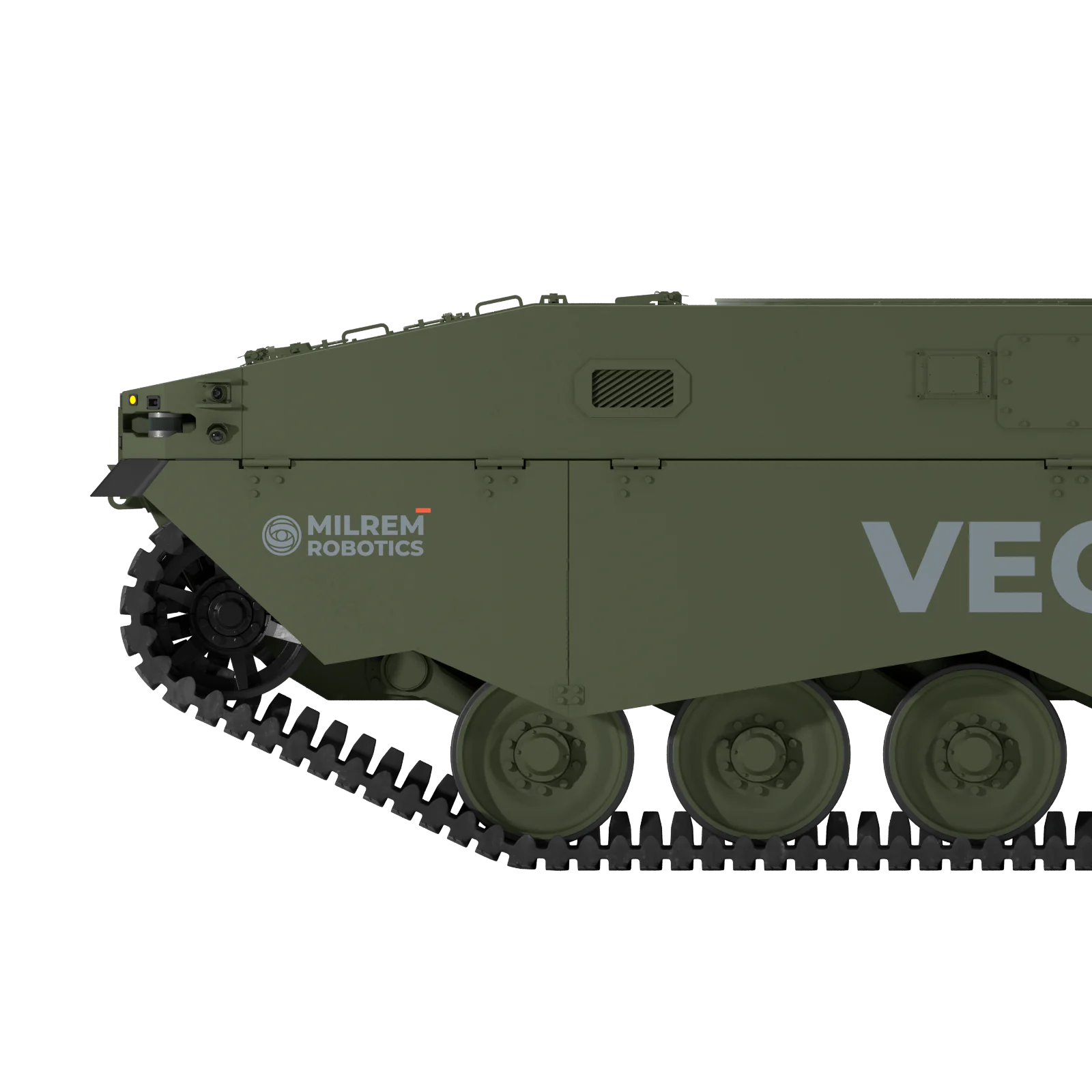
| Mobility | Tracked robotic combat platform |
| Payload Capacity | Up to 3 t |