

HALIA
Product descripton: HALIA by LeVanta Tech
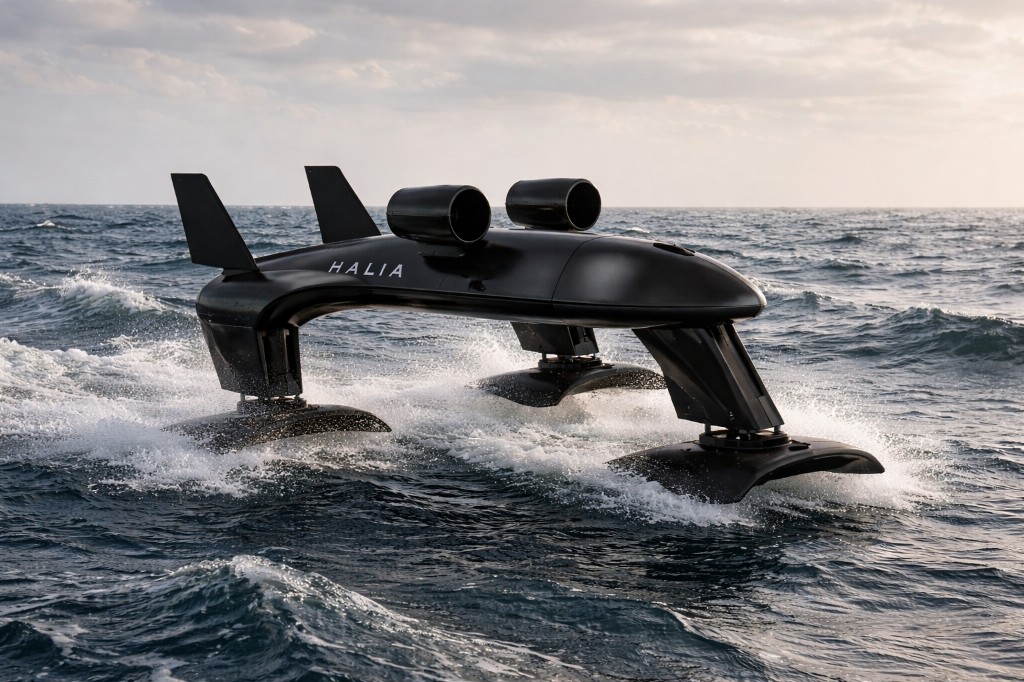
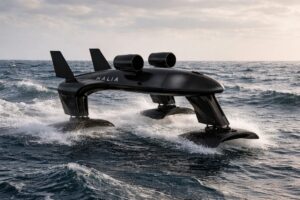
HALIA is a next-generation unmanned maritime system developed by LeVanta Tech that operates across both sea and air domains. It is designed to remain on the ocean surface for extended durations while maintaining the ability to rapidly take off, fly at high speed, and reposition across wide maritime areas without external infrastructure.
The system fills a critical capability gap between traditional UAVs, USVs, and maritime patrol aircraft by combining endurance, mobility, and operational flexibility in a single platform.
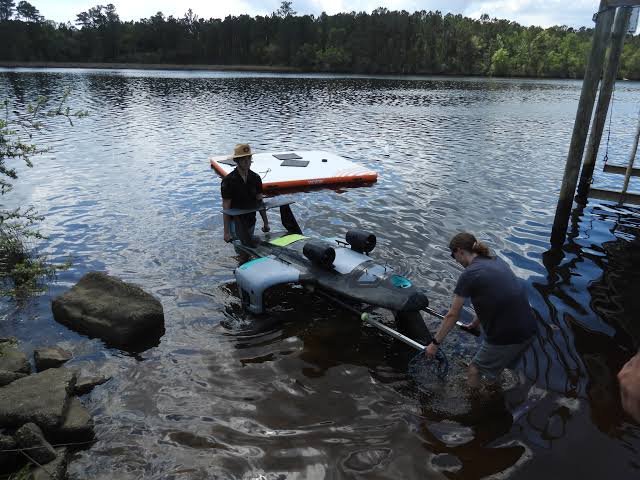
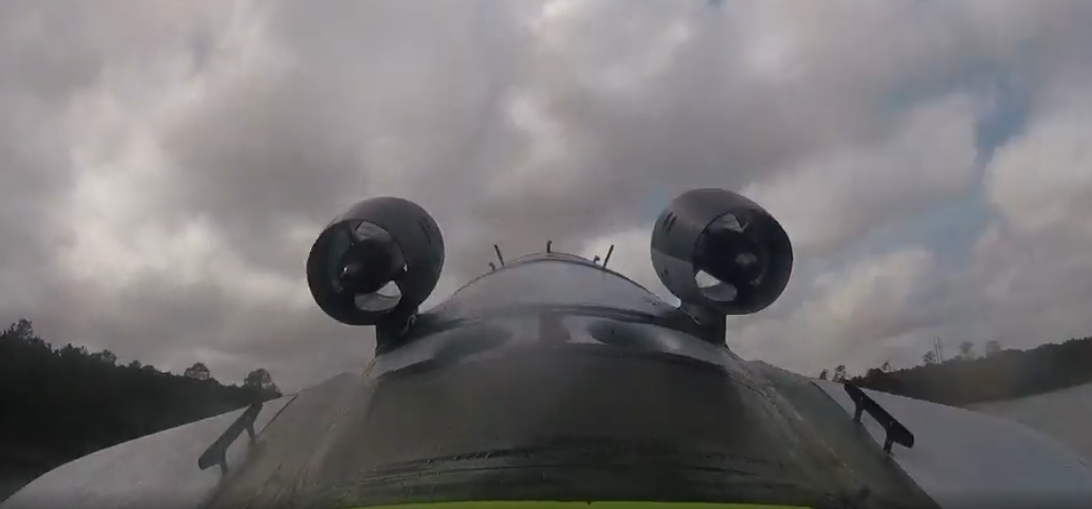
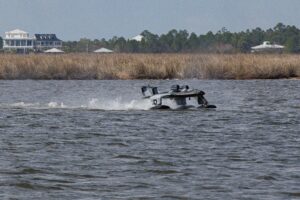
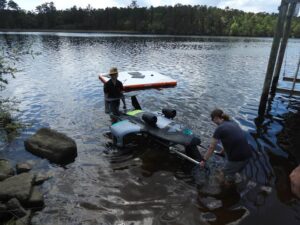
HALIA is currently at TRL 6 (concept prototype testing stage) and is being validated through real-world prototype trials, including float, transition, flight, and water landing operations.
Core Concept — Float • Skate • Fly
Float
HALIA remains on the water in a low-energy, motors-off state, maintaining persistent presence with minimal detectability.
Skate
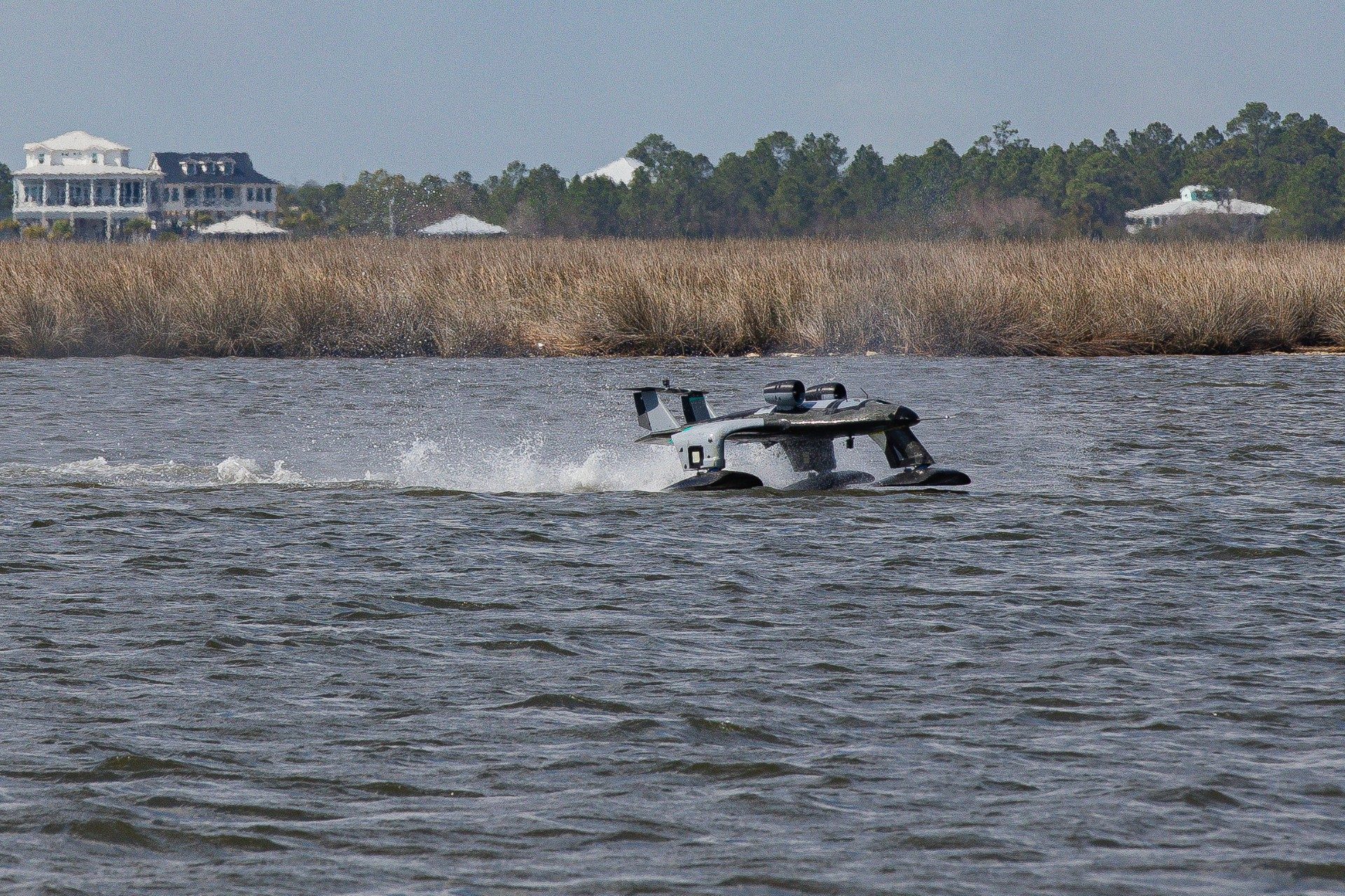
Using its HoverFoil™ transition system, HALIA accelerates across the water surface to prepare for takeoff.
Fly
The system transitions from water to air and executes high-speed flight for rapid repositioning.
Float Again
HALIA returns to the water surface and resumes persistent sea-level sensing or standby mode.
Technical specifications
| Parameter | HALIA |
|---|---|
| Platform Type | Float-and-Fly Maritime Unmanned System |
| Mission Roles | ASW / MCM / ISR / MDA / Communications Relay |
| Operational Concept | Sea-Air Hybrid (Float • Fly • Return) |
| Sea Persistence | 30+ days (modeled target) |
| Flight Speed | 100+ mph (modeled target) |
| Flight Range | ~120 nautical miles (modeled target) |
| Payload Capacity | 18 lbs |
| Sea State Capability | Up to 6 ft swells |
| Transition Time (Float to Air) | < 60 seconds (demonstrated in prototype) |
| Launch Method | Water-based (no runway or catapult required) |
| Recovery Method | Water landing |
| Propulsion Mode (Float) | Motors-off / low energy drift |
| Operating Environment | Maritime (open ocean, coastal, littoral zones) |
| Technology Readiness Level | TRL 6 (prototype testing) |
| Key Technology | HoverFoil™ patented transition system (US Patent 12,221,210 B2) |
| Deployment Method | Small-boat expeditionary teams (2-person operations) |
Key Capabilities
- Hybrid float-and-fly maritime drone architecture
- Persistent sea presence for 30+ days (modeled target)
- High-speed flight capability up to 100+ mph (modeled)
- Runway-free water launch and recovery
- Operation from small boats and expeditionary teams
- Multi-role payload support (ISR, ASW, MCM, relay)
- Low detectability floating profile (~1 ft above water)
- High sea-state operation capability (up to 6 ft swells)
- Rapid transition from water to air in under 60 seconds (demonstrated)
- Attritable, cost-effective alternative to crewed maritime patrol assets
Mission Applications
Anti-Submarine Warfare (ASW)
Provides repositionable sea-level sensing with deployable sonar systems, enabling mobile detection and tracking of underwater threats.
Mine Countermeasures (MCM)
Enables rapid transit to suspected mine zones, distributed search patterns, and real-time classification of maritime threats.
Maritime Surveillance (MDA / ISR)
Delivers persistent observation of chokepoints and contested maritime regions with rapid airborne repositioning capability.
Communications & Force Multiplication
Acts as a relay node for surface fleets, submarines, and distributed unmanned systems.