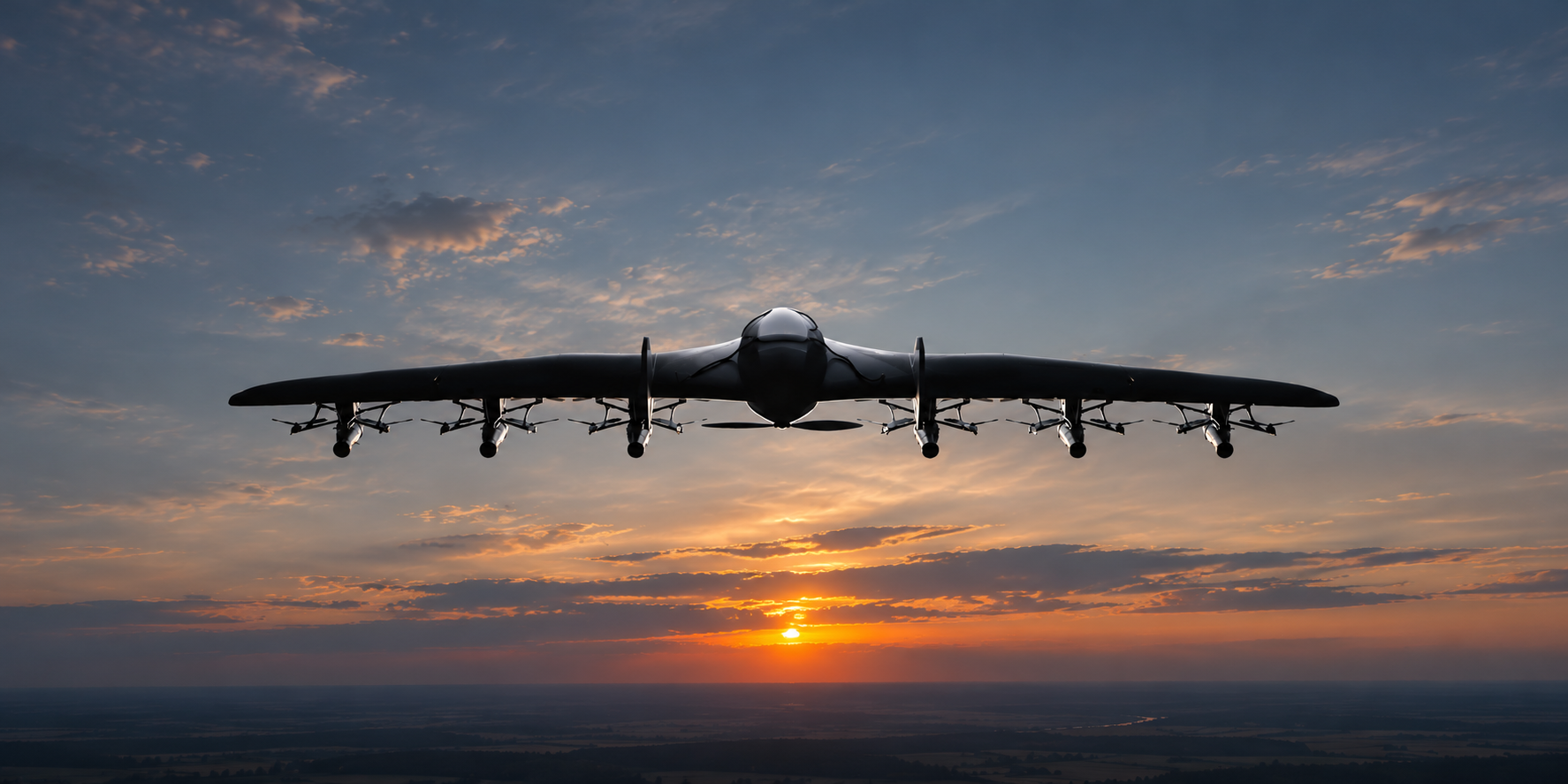
Drone Motherships Are Taking Shape: What the Latest Trials Reveal
This fall has brought several breakthroughs in drone mothership technology. The US Army tested an airborne carrier capable of releasing a swarm of smaller drones, Australian naval forces demonstrated autonomous UAV launch and recovery from a moving ship, and China is working on major naval drone motherships.
In simpler terms, drone motherships are moving from proof of concept to proof in action. And here’s exactly what each demonstration has proved.
Drones Can Successfully Return to Airborne Carriers
Landing a drone on another drone is considerably harder than landing on solid ground. When both aircraft are moving, there is little room for positioning errors. With rotor turbulence, shifting airflow, and a small landing deck in tow, the final approach pushes flight controls to their limits.
In other words, recovering a drone mid-flight paves the way for airborne motherships to become more useful and deployed UAVs — recoverable and reusable.
A September research preprint described a successfully completed airborne mission, where a small UAV launched from a flying carrier, conducted an independent sortie, returned and landed aboard before the pair descended together. In total, the team ran 13 successful missions across 14 outdoor trials.
Both the deployed drones and the carrier relied on RTK-GNSS positioning. A downward-facing camera, placed near the recovery deck, provided extra alignment cues. A reinforcement-learning controller handled final approach adjustments, while a separate safety gate determined when descent was permitted.
Drones Can Launch and Recover Autonomously From a Moving Ship
A bit early in August 2026, Australia ran autonomous UAV launch and recovery aboard HMAS Arafura. The unit tested how an uncrewed heavy-lift Callisto 50 drone can be deployed autonomously from a moving ship for logistics and cargo-carrying missions.
The drone transferred stores using an underslung load. Arafura maintained its position relative to the vessel with the help of a beacon. Alongside Arace Angel surveillance trials, the program also completed 23 other flights and approximately six hours of flying, including night operations. Electromagnetic compatibility testing was also verified.
Effectively, the trial confirmed that a moving vessel can serve as a working drone base for logistics and surveillance. For maritime operators, that creates options for extending a ship’s reach without sending personnel on every delivery or observation task.
Naval Launch Hardware Can Be Tested Ahead of Drone Integration
Meanwhile, China’s recent advances show how broadly the drone carrier idea can be applied. Their Type 076 amphibious assault ship, the Sichuan, has recently completed final sea trials with electromagnetic catapult testing for drone launches.
But the country has even grander plans in the works. Satellite imagery recently confirmed a
200-metre vessel under construction in Shanghai. Analysts pegged it as a possible mothership for large uncrewed naval drones or submarines. Its apparent recovery arrangement supports the interpretation, but its role remains officially unconfirmed.
Still, China’s developments point towards larger mobile support bases. Although they can’t yet be counted alongside completed drone deployment-and-recovery demonstrations.
Airborne Drone Motherships Can Deploy Smaller UAVs in Flight
During the US Army’s Scarlet Dragon exercise on September 11–17, 2026, Modalic’s Autonomous Swarm Mothership demonstrated the airborne release of smaller drones.
But the real test was for the Army’s air defence network. Could its sensors and command systems keep tracking the mothership while identifying the newly released drones and prioritising the larger threat?
This question matters because one incoming aircraft can suddenly become multiple aerial threats. Each new contact adds to the workload for detection, identification, and response. The challenge only grows when several drone swarms arrive simultaneously.
This exercise reinforced a key lesson for counter-drone defence: radar, electronic warfare, command-and-control systems, and interceptors need to operate as one coordinated network. Detecting individual drones is no longer enough. Your teams need to maintain a clear real-time picture of the entire threat.
Drone Motherships Have Proven the Concept. What’s Next?
The described drone mothership trials prove that transport, deployment, and retrieval can work as one sequence. But the next question is: how reliable could such sequences be in real-world conditions?
New platforms are expanding the realm of possibility. UFORCE describes its MV11, unveiled in August 2026, as an offshore carrier for unmanned systems. Heven AeroTech is exploring hydrogen-powered payload platforms, with airborne laser integration as a future ambition.
The crucial element to future successes would be reliable navigation and communication — an area we’re developing.
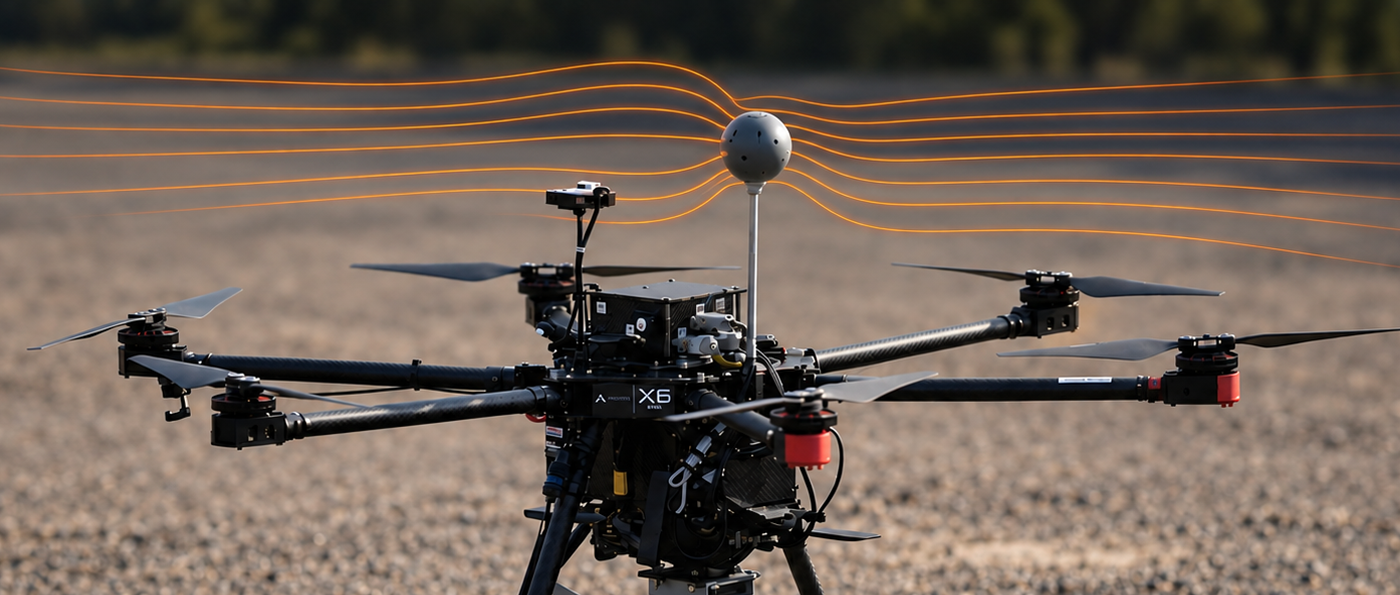
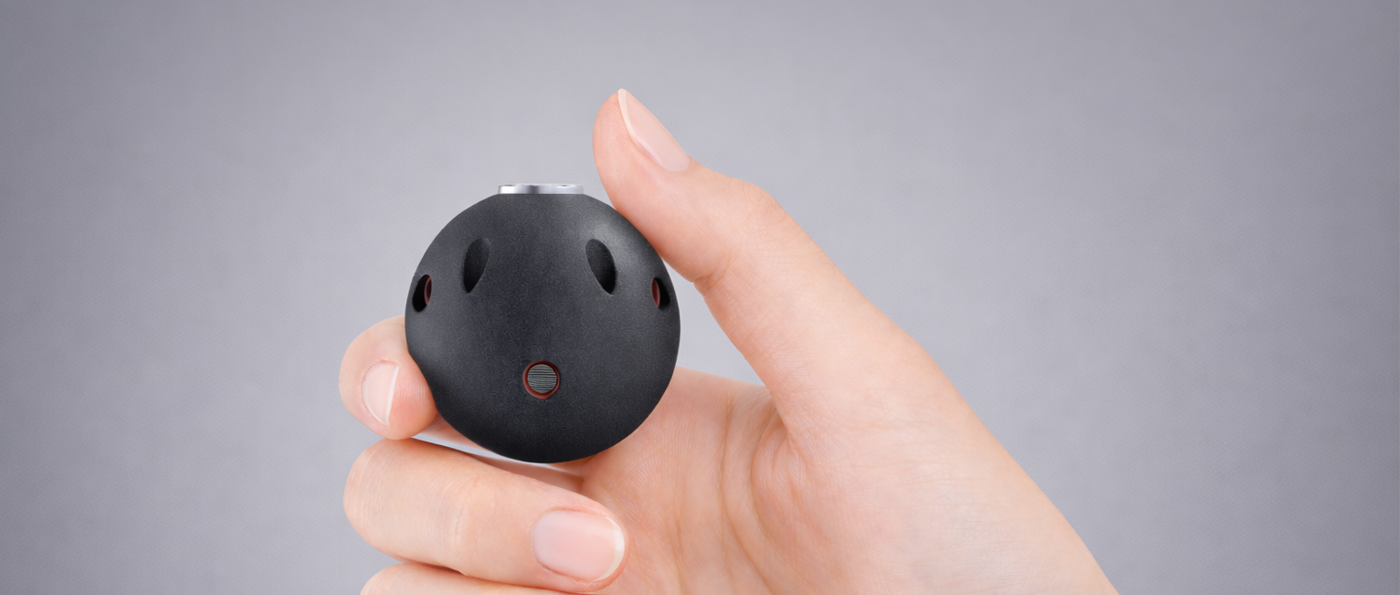
Bavovna’s AI Autonomy Kit focuses on navigation in GNSS-denied environments. That addresses one of the core questions facing future drone carrier operations: how to keep vehicles navigating when satellite signals become unreliable.
Our solution combines Hybrid INS hardware with AI-powered sensor fusion to maintain accurate positioning without GNSS, external maps, or continuous visual references. It can support autonomous navigation during deployment and return flights, even in electronically contested environments. The kit also integrates with existing flight controllers through synthetic GPS output, making it easier to add GNSS-independent navigation to different UAV platforms.
For airborne recovery, this could provide a more resilient navigation layer to help smaller drones return towards their carriers. Final deck alignment and landing would still require a dedicated relative-positioning and recovery system.